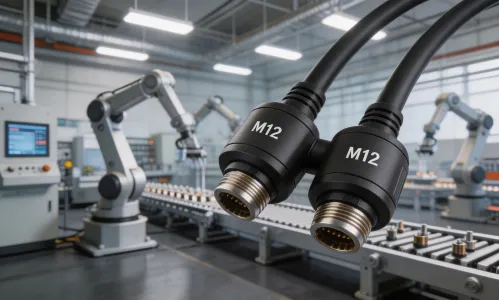
Our fiber optic and RF connectors serve Tier 1 carrier networks across 60+ countries. From FTTH last-mile deployments requiring ultra-low insertion loss LC/SC connectors to 5G macro cell installations demanding PIM-rated N-type and 4.3-10 connectors, we deliver components that meet the exacting standards of modern telecom infrastructure.
Key Products
- LC/SC/MPO fiber connectors (IL ≤ 0.15 dB)
- N-Type / 4.3-10 RF connectors (PIM ≤ -160 dBc)
- Pre-terminated fiber assemblies for rapid deployment
- Outdoor-rated splice closures (IP68)

Hyperscale and enterprise data centers demand high-density, low-latency interconnect solutions. Our MPO/MTP trunk assemblies and structured cabling systems support 100G to 400G migration paths without changing physical infrastructure. Consistent endface geometry ensures reliable performance across thousands of mating cycles.
Key Products
- MPO/MTP-12 and MPO-24 trunk assemblies
- High-density fiber patch panels (144-port per 1U)
- DAC and AOC cable assemblies (100G/400G)
- Category 6A structured cabling systems

IATF 16949 certified production lines deliver sealed and unsealed connectors meeting USCAR standards for automotive OEMs. Our connectors support EV charging infrastructure, ADAS sensor arrays, infotainment systems, and vehicle wiring harnesses with vibration resistance validated to ISO 16750.
Key Products
- Sealed wire-to-wire connectors (IP67)
- EV charging connectors (CCS/CHAdeMO compatible)
- ADAS sensor connectors (FAKRA/HSD)
- Wire harness terminals (0.5-6.0 mm²)
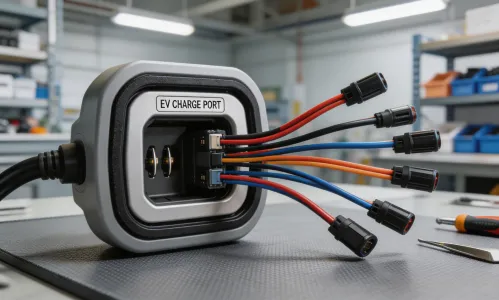
MIL-STD-810 qualified connectors for avionics, radar systems, and tactical communications. Our military-grade circular connectors withstand extreme shock (500g), vibration, and temperature cycling from -55°C to +125°C. Full lot traceability from raw material through final assembly.
Key Products
- MIL-DTL-38999 circular connectors
- ARINC 600 rack-and-panel connectors
- Fiber optic rotary joints for radar systems
- Ruggedized RF connectors (TNC/SMA mil-spec)
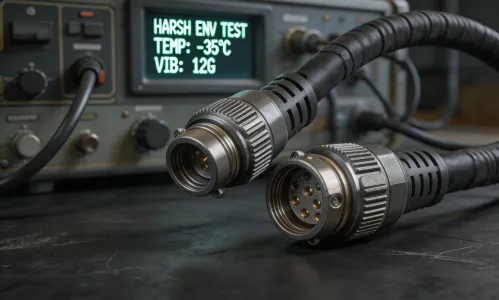
Industrial environments demand connectors that resist oil, chemicals, and mechanical abuse. Our IP67-rated circular connectors and heavy-duty terminal blocks serve factory automation, robotics, and process control applications. DIN-rail terminal blocks support voltages up to 600V with UL and CE certification.
Key Products
- M8/M12 circular connectors (IP67)
- Heavy-duty rectangular connectors
- DIN-rail terminal blocks (600V rated)
- Industrial Ethernet connectors (Cat 5e/6A)